One of the most common questions we receive at HopePow Tours is deceptively simple: when is the best time to go on safari? The honest answer is that Kenya and Tanzania reward visitors in every season, each month offering something the others cannot. But if you want to witness the most dramatic wildlife spectacle on the planet, timing is everything. This guide will take you month by month through the East African calendar so you can plan your journey with confidence.
Both Kenya and Tanzania share similar seasonal rhythms driven by two annual rainfall patterns. Understanding these patterns is the foundation of smart safari planning. The long rains fall between March and May while the short rains arrive in November and December. Everything in between shapes what you will see, where you should go, and how much you will pay.
The Great Migration: The Calendar That Drives Everything
More than one and a half million wildebeest, along with hundreds of thousands of zebras and gazelles, make a continuous circular journey between Tanzania's Serengeti and Kenya's Masai Mara. This is the largest overland migration of mammals on earth and it is the single most requested wildlife event among our guests. Knowing where the herds are in any given month shapes the entire safari itinerary.
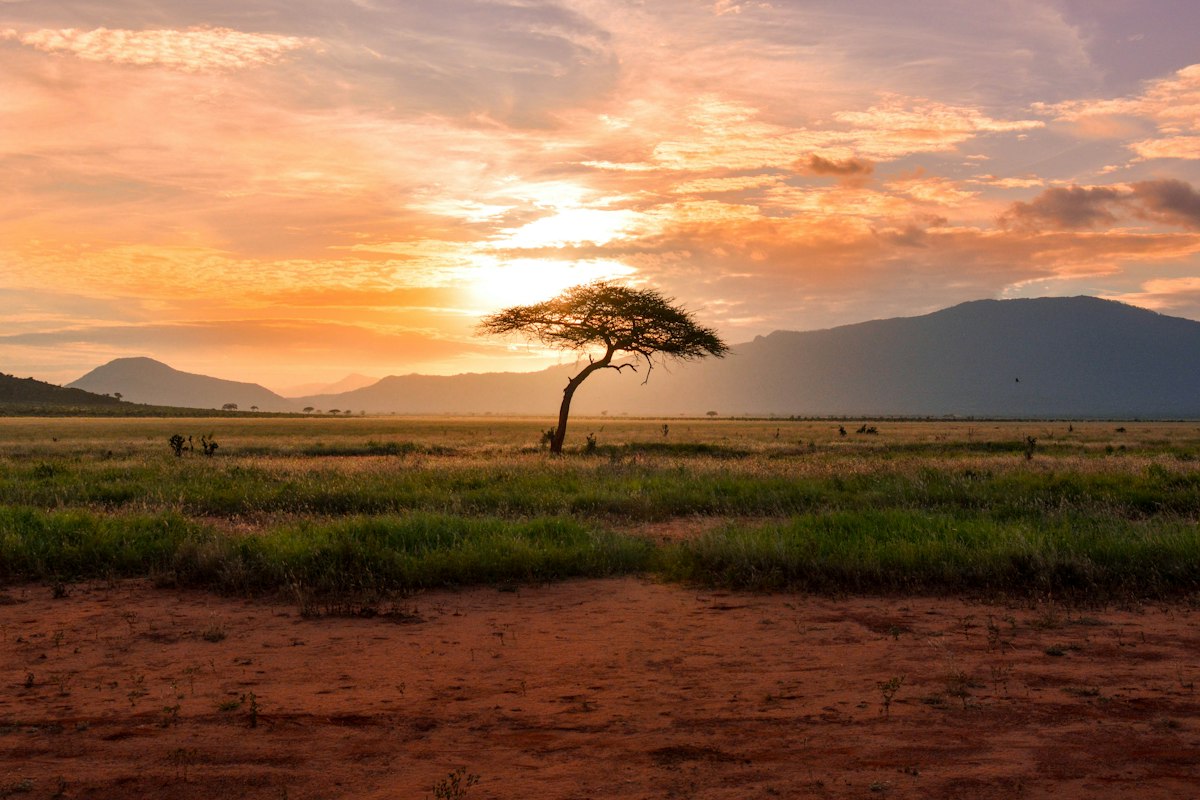
Month-by-Month Safari Calendar
Use the guide below to understand what each month offers across both countries. We have rated each period to help you match your travel window to your wildlife priorities.
Dry Season: June to October
This is the most popular window for a safari in East Africa and for very good reason. The absence of rain forces wildlife to concentrate around rivers and permanent water sources, making animals predictable and easy to locate on game drives. Vegetation thins out so there is less cover for predators to hide in, giving you cleaner sightlines across the plains.
In Kenya the Masai Mara explodes with life from July through September as the Great Migration arrives from Tanzania. In Tanzania the Serengeti and the Ngorongoro Crater offer outstanding game viewing throughout this entire dry period. If your primary goal is maximum wildlife sightings in the shortest number of days this is the window to target.
Green Season: November to May
The green season is one of East Africa's best kept secrets. Rates at lodges and camps drop significantly, sometimes by thirty to fifty percent compared to peak season. The parks are far less crowded and you will find yourself on game drives without another vehicle in sight, which is an experience that money genuinely cannot buy in August.
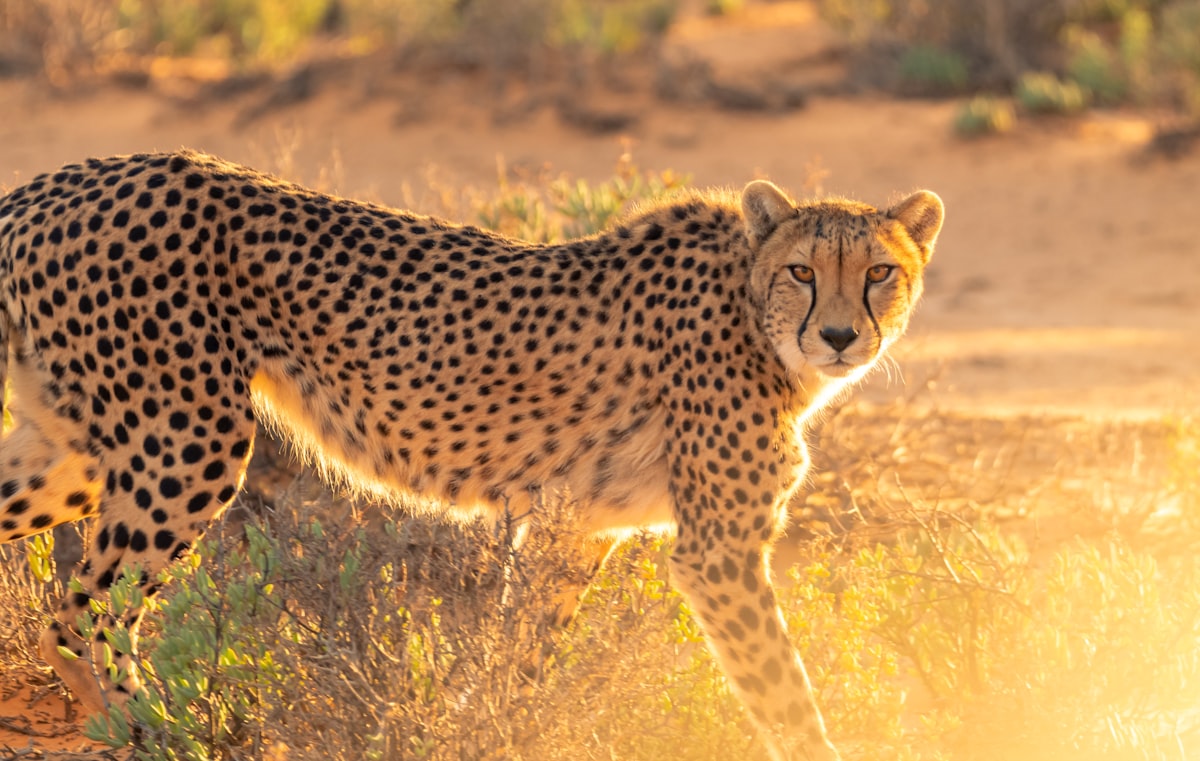
January and February are outstanding months in Tanzania's Serengeti as over half a million wildebeest calves are born within a few weeks, creating a feeding frenzy among cheetahs, lions, and hyenas. The photography during calving season rivals anything you will see during the famous river crossings. In Kenya the Masai Mara retains resident wildlife year round, including the famous Mara lion prides.
What About Crowds and Budget?
High season means peak pricing at camps and lodges, competitive availability, and busier game drive circuits especially around popular sightings. If you plan to travel in July, August, or September you should book your safari at least six to nine months in advance. The most sought after camps in the Masai Mara and northern Serengeti sell out completely by January for the following peak season.
For travelers with flexibility the sweet spot is June or October. You get excellent game viewing, the migration is present or arriving, crowds are manageable, and prices have not yet reached their peak. These shoulder months represent exceptional value without compromising the quality of your experience.
Our Recommendation for First-Time Safari Travelers
If you have one chance to go on safari and want to see the Great Migration river crossings, target late July through September and book your spot now. If you want the best combination of value, exclusivity, and outstanding wildlife, choose January and February in Tanzania for calving season or June in Kenya for the beginning of the Mara season. Both deliver unforgettable experiences at a fraction of the peak season cost.
Let Us Plan Your Perfect Safari Season
Not sure which month works best for your schedule? Our safari specialists know these parks intimately across every season. Tell us your dates and we will build you an itinerary that makes the most of every single day.
Talk to a Safari Specialist