Amboseli National Park
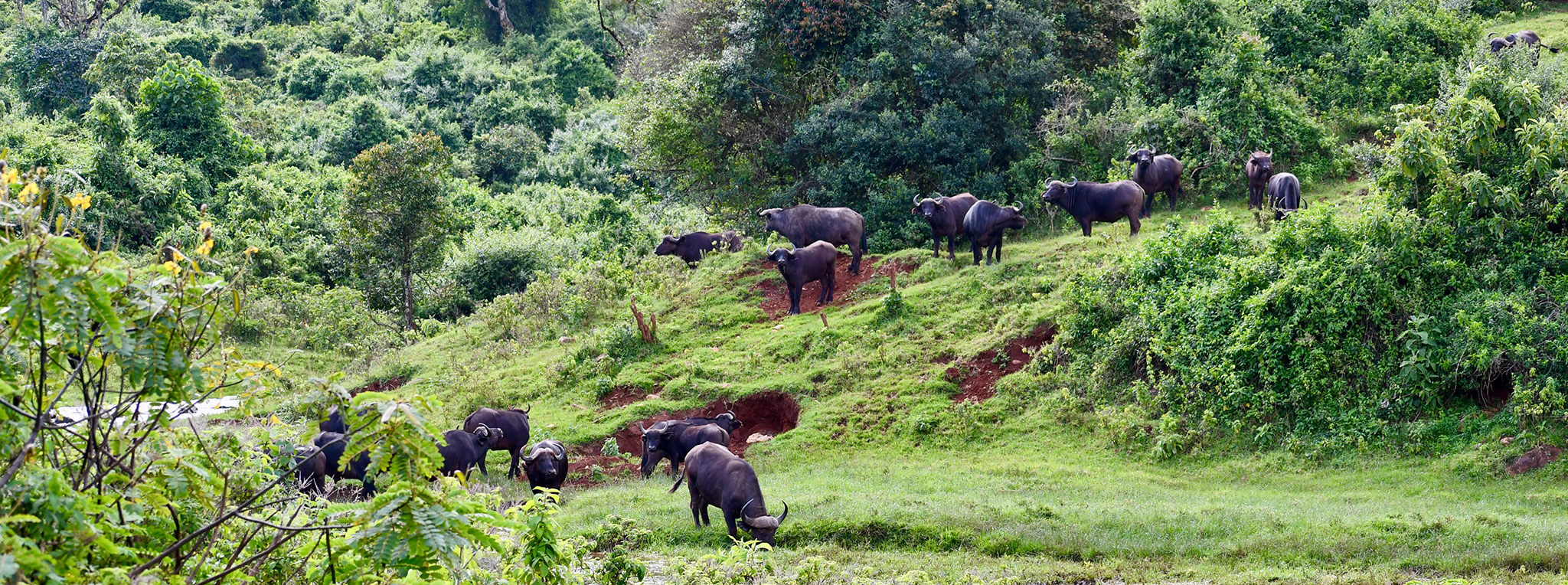
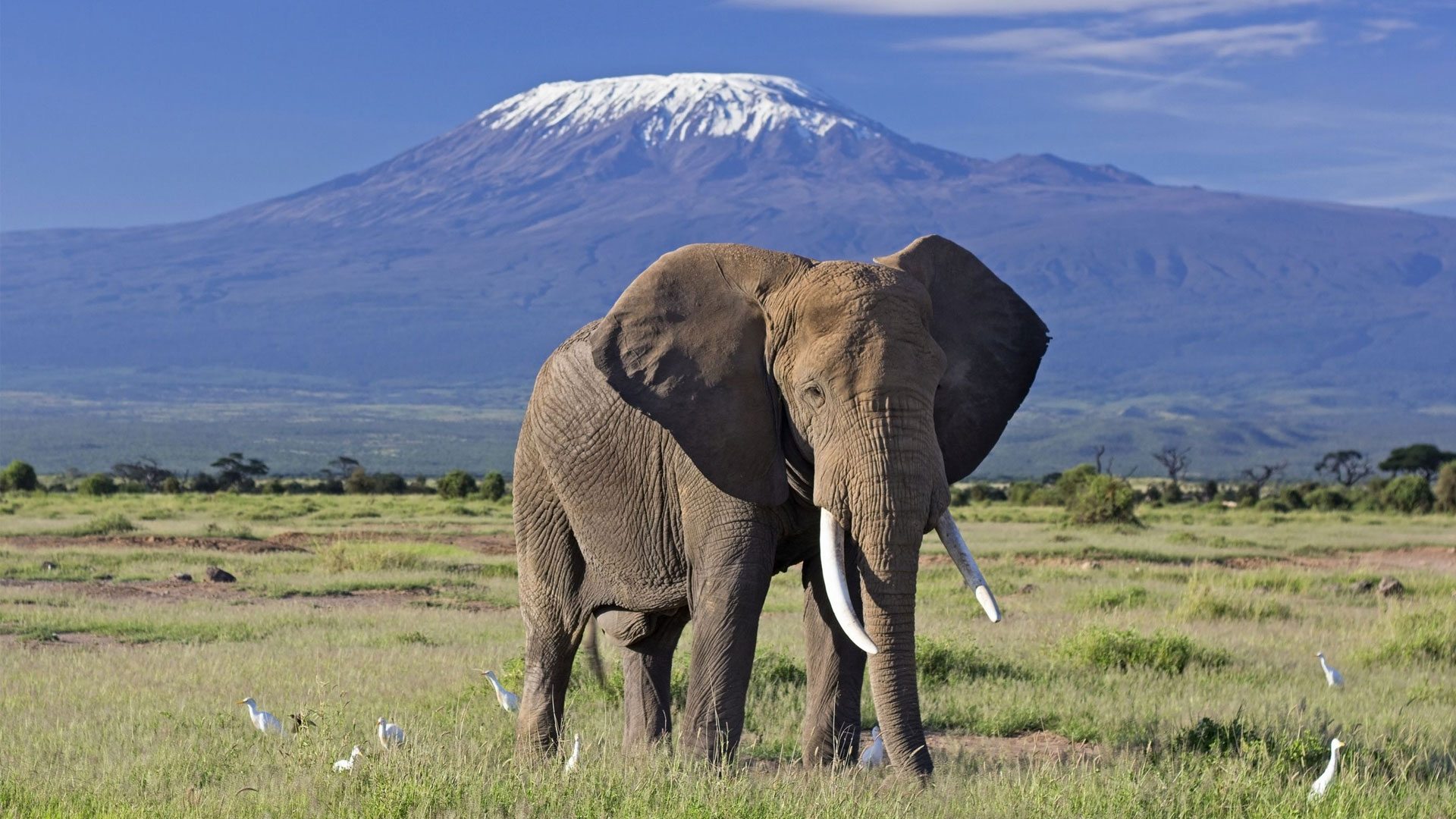
Amboseli National Park is famous for its large elephant herds and breathtaking views of Mount Kilimanjaro, the highest mountain in Africa. The park features open plains, swamps, and acacia woodlands that attract a wide range of wildlife. It is one of the best places in Africa to observe elephants up close, along with lions, cheetahs, and numerous bird species.
Lake Naivasha
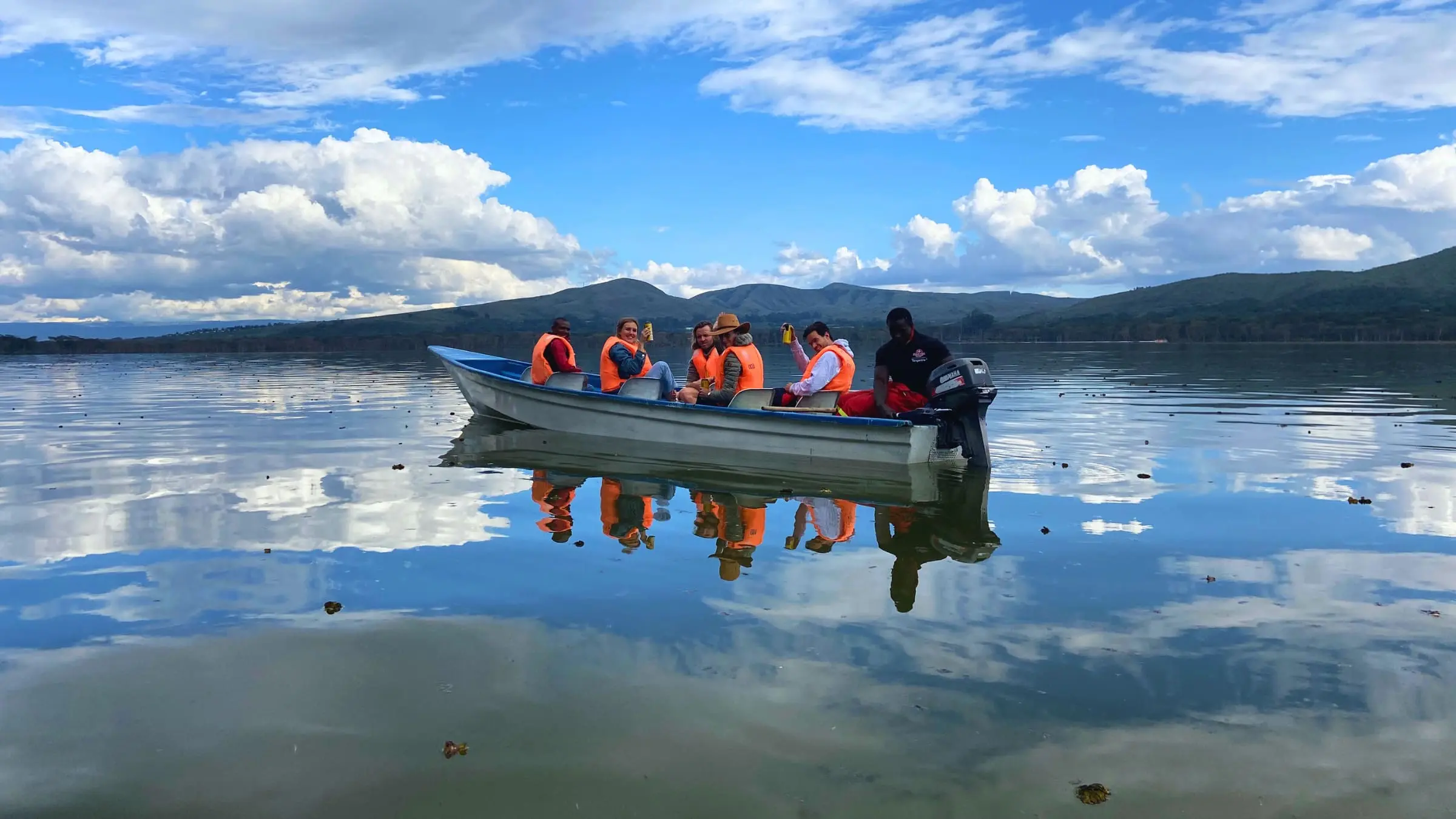
Lake Naivasha is a beautiful freshwater lake located in the Great Rift Valley, northwest of Nairobi. It is one of the most accessible and scenic destinations in Kenya, making it a popular getaway for both local and international travelers seeking relaxation and nature experiences. The lake is surrounded by lush vegetation, including papyrus swamps and acacia woodlands, which create a rich habitat for a wide variety of wildlife. Unlike many other lakes in the Rift Valley, Lake Naivasha has fresh water, which supports a thriving ecosystem and attracts numerous animals and birds throughout the year. One of the most notable features of Lake Naivasha is its large population of hippos. These animals can often be seen resting in the water during the day and grazing along the shores at night. The lake is also a paradise for bird lovers, with over four hundred bird species recorded, including fish eagles, herons, kingfishers, and cormorants. The call of the African fish eagle is a signature sound of the lake and adds to its tranquil atmosphere. Boat safaris are one of the most popular activities on Lake Naivasha. These guided trips allow visitors to get close to hippos and observe birds from the water, offering a peaceful and unique perspective of the environment. Nearby attractions such as Crescent Island provide opportunities for walking safaris, where visitors can walk among giraffes, zebras, and antelopes in a safe and open setting. The area around Lake Naivasha also serves as a gateway to other attractions in the Rift Valley, including Hell's Gate National Park, which is known for its dramatic cliffs, geothermal features, and cycling safaris. This makes Lake Naivasha an ideal base for exploring multiple destinations in one trip. In addition to wildlife experiences, Lake Naivasha is also known for its serene environment, making it perfect for relaxation. Many lodges and resorts are located along the lakeshore, offering beautiful views, comfortable accommodation, and a peaceful escape from city life. Overall, Lake Naivasha offers a unique combination of relaxation, wildlife, and scenic beauty. It is an ideal destination for travelers who want a softer safari experience with opportunities for boating, walking, and exploring nature at a slower pace.
Lake Nakuru National Park
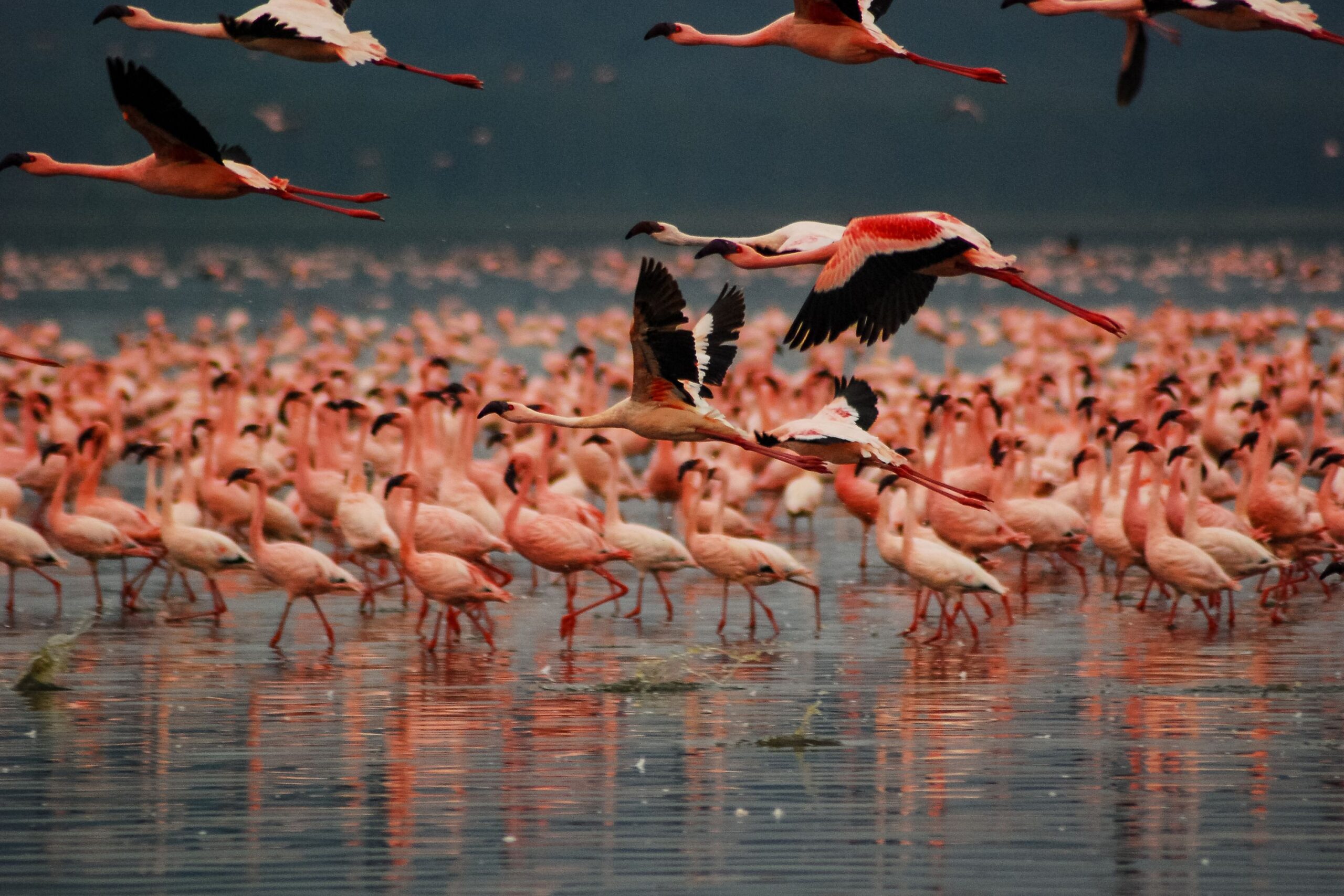
Lake Nakuru National Park is known for its flamingos and rhino sanctuary. The park surrounds Lake Nakuru and offers a mix of woodland, grassland, and lake ecosystems. It is one of the best places in Kenya to see both black and white rhinos.
Masai Mara National Reserve
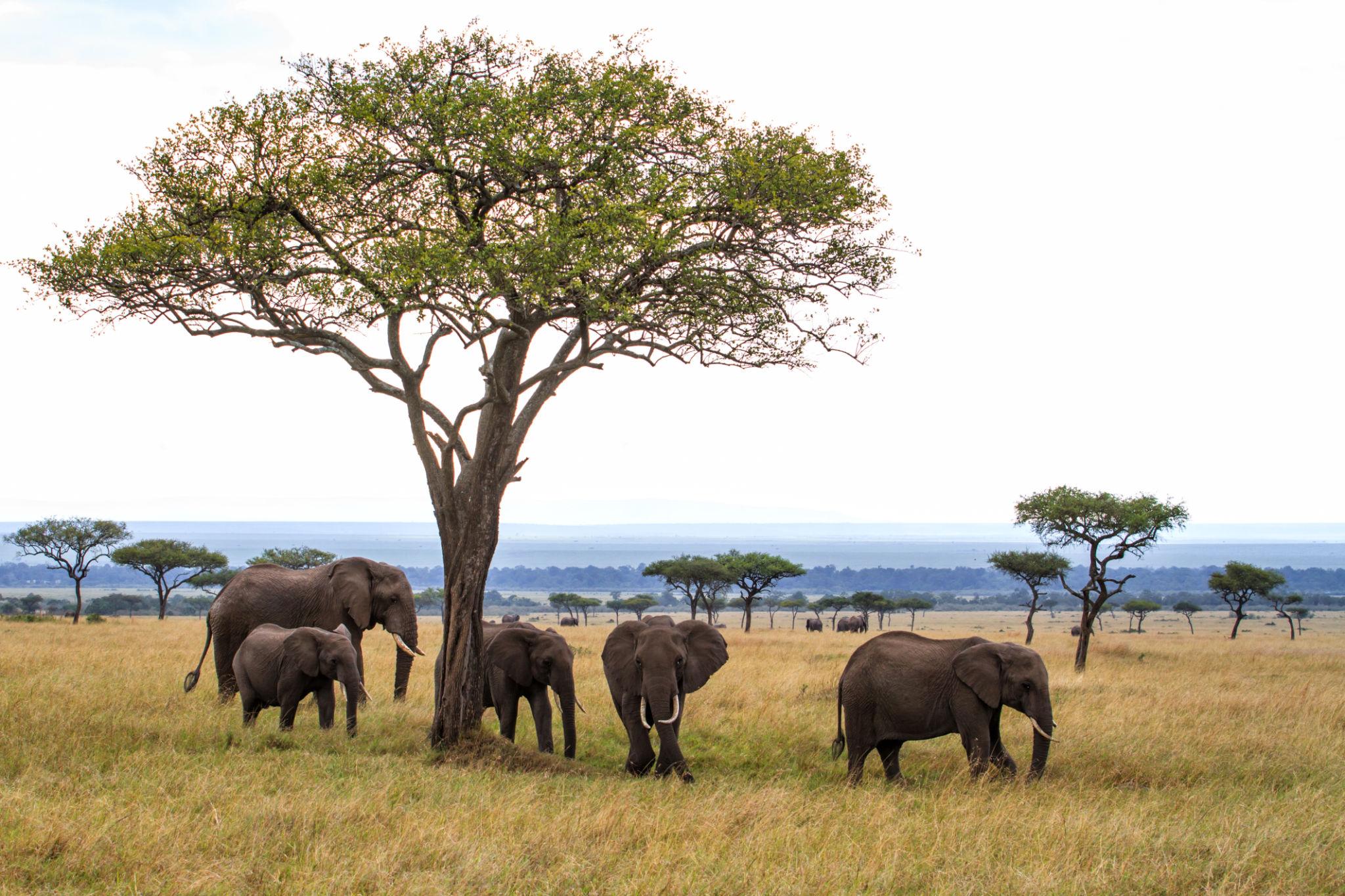
The Maasai Mara National Reserve is one of the most iconic wildlife destinations in the world, located in southwestern Kenya along the border with Tanzania. It forms the northern extension of the famous Serengeti National Park, creating a vast ecosystem that supports an incredible diversity of wildlife. The reserve covers about 1,500 square kilometers of open grasslands, rolling hills, acacia woodlands, and riverine forests. Its landscape is shaped by several rivers, including the Mara River, which plays a critical role in sustaining life in the region. The scenery is classic African savannah, dotted with lone trees and wide open horizons that stretch as far as the eye can see. What truly makes the Maasai Mara special is its extraordinary wildlife. It is home to the famous Big Five which include lion, elephant, buffalo, leopard, and rhinoceros. The reserve has one of the highest densities of predators in Africa, particularly lions and cheetahs, making it a prime destination for game viewing. Visitors can also see giraffes, zebras, hyenas, hippos, crocodiles, and countless species of birds. One of the most remarkable natural events in the world takes place here every year, known as the Great Wildebeest Migration. Between July and October, over a million wildebeest, along with zebras and gazelles, migrate from the Serengeti into the Maasai Mara in search of fresh grazing. The dramatic river crossings, where animals face strong currents and lurking crocodiles, are among the most breathtaking wildlife spectacles on Earth. The reserve is named after the Maasai people, a semi nomadic community known for their rich culture and deep connection to the land. Visitors often have the opportunity to visit Maasai villages, learn about their traditions, and experience their unique way of life. This cultural aspect adds a meaningful human dimension to the safari experience. Tourism in the Maasai Mara is well developed, with a wide range of accommodations that include luxury lodges, tented camps, and budget friendly options. Activities go beyond traditional game drives and may include hot air balloon safaris at sunrise, guided nature walks, and photographic safaris. The Maasai Mara is not just a destination, it is an immersive experience that combines wildlife, culture, and stunning natural beauty. Whether you are witnessing a pride of lions on the hunt, watching elephants move gracefully across the plains, or simply enjoying a quiet sunset over the savannah, the reserve offers unforgettable moments that define the essence of Africa.
Nairobi National Park
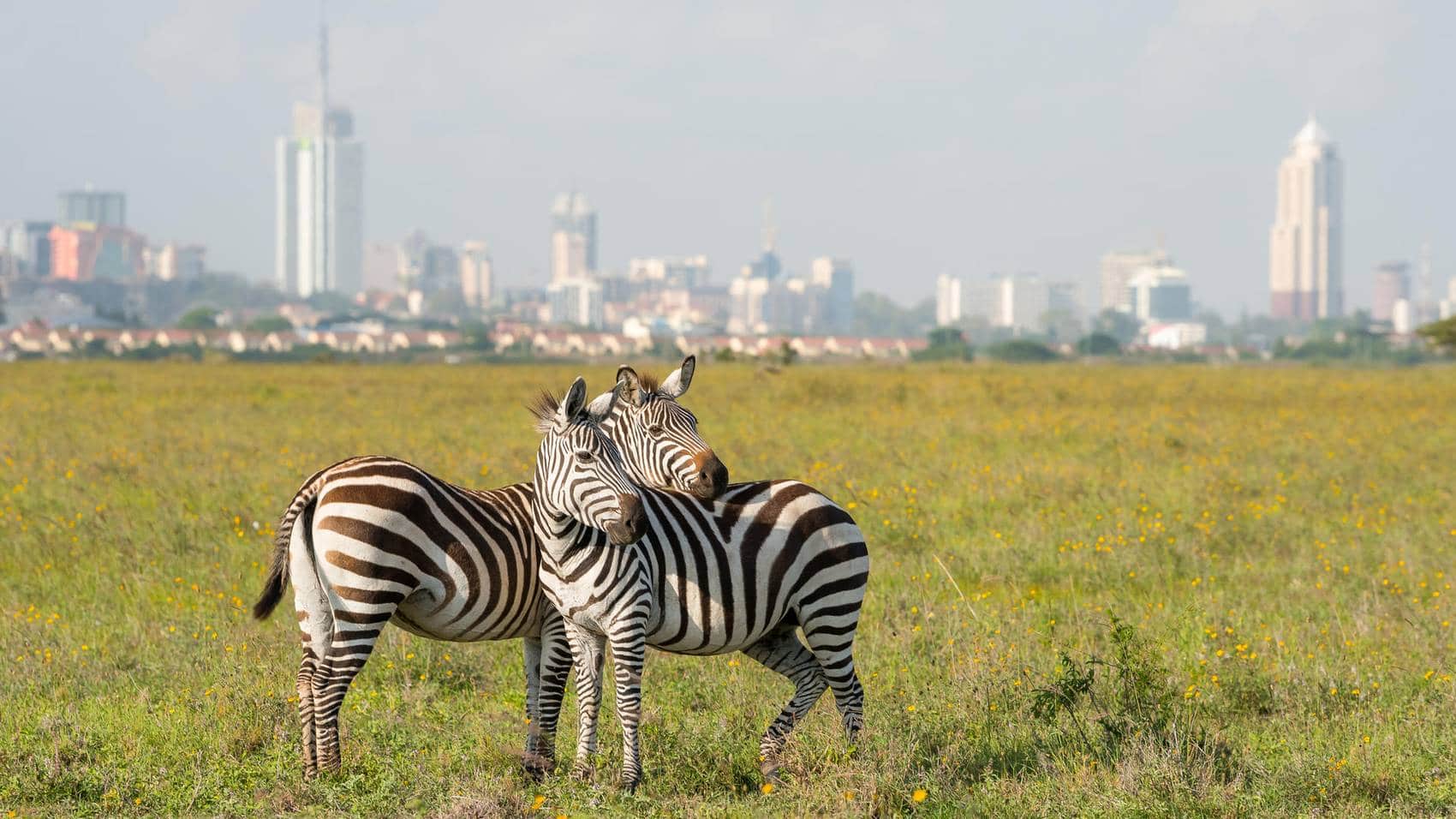
Nairobi National Park is one of the most unique wildlife destinations in the world, located just a short drive from the center of Nairobi. It is the only national park globally that sits right next to a capital city, offering a rare combination of untamed wilderness and urban skyline views. Despite its proximity to the city, the park provides an authentic safari experience with wide open grass plains, scattered acacia bushes, and riverine habitats that support a rich diversity of wildlife. Visitors can enjoy game drives while seeing skyscrapers in the distance, creating a striking contrast between nature and modern development. The park is home to a wide range of animals including lions, leopards, buffalo, giraffes, zebras, and a large population of black rhinos. In fact, Nairobi National Park is one of the most successful rhino sanctuaries in Kenya, playing a critical role in protecting this endangered species. Although elephants are not found here, the park still offers excellent opportunities to view many iconic African animals within a relatively small area. Nairobi National Park is also a paradise for bird lovers, with over four hundred bird species recorded. Seasonal migrations bring even more variety, making it an ideal destination for both beginner and experienced bird watchers. Another key feature of the park is its role in conservation and education. Nearby attractions such as the David Sheldrick Wildlife Trust, known for rescuing and rehabilitating orphaned elephants, and the Nairobi Animal Orphanage, add depth to the visitor experience by allowing guests to learn more about wildlife protection efforts. The park is ideal for short visits, day trips, or as an introduction to safari experiences for travelers with limited time. Early morning and late afternoon game drives are especially rewarding, as animals are more active during these cooler hours. Overall, Nairobi National Park offers a rare and unforgettable experience where visitors can witness wild animals roaming freely against the backdrop of a modern city. It is a perfect blend of accessibility, biodiversity, and conservation, making it one of Kenya’s most remarkable destinations.
Ol Pejeta Conservancy
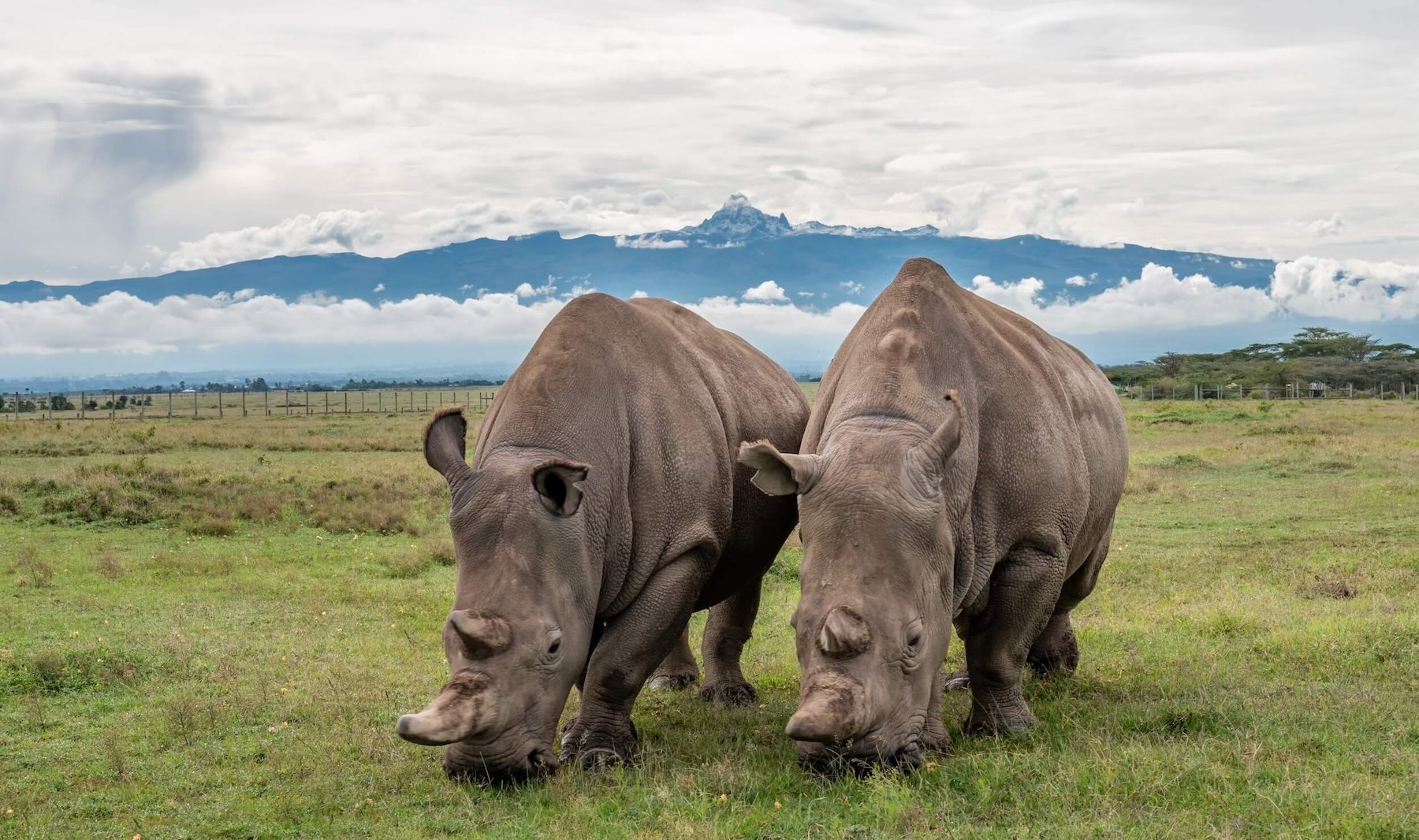
Ol Pejeta Conservancy is one of Kenya’s most innovative and conservation focused wildlife destinations, located between the foothills of Mount Kenya and the Aberdare ranges. It offers a unique blend of classic safari experiences, wildlife conservation, and community engagement. The conservancy is best known as the last refuge of the world’s remaining northern white rhinos, making it a globally significant conservation area. Visitors have the rare opportunity to learn about ongoing efforts to protect these critically endangered animals and even visit them under guided supervision. In addition, Ol Pejeta hosts one of the largest black rhino sanctuaries in East Africa, providing a safe habitat where these animals can thrive. The landscape of Ol Pejeta is diverse and visually striking, featuring open grass plains, acacia woodlands, riverine forests, and wetlands. This variety supports a wide range of wildlife including lions, elephants, leopards, buffalo, cheetahs, hyenas, and numerous antelope species. The conservancy also has a high density of predators, making it an exciting destination for wildlife enthusiasts. One of the most unique features of Ol Pejeta is the chimpanzee sanctuary, the only place in Kenya where visitors can see rescued chimpanzees. These chimpanzees are cared for after being rescued from illegal wildlife trade and habitat loss, adding an educational and emotional dimension to the visit. Unlike many national parks, Ol Pejeta offers a wider range of activities beyond standard game drives. Visitors can enjoy night game drives, guided walking safaris, cycling safaris, and behind the scenes conservation experiences. This makes it ideal for travelers looking for a more interactive and immersive safari. The conservancy is also less crowded compared to more popular parks, offering a more private and relaxed safari experience. Its proximity to Nanyuki and relatively easy access from Nairobi make it a convenient yet rewarding destination. Overall, Ol Pejeta Conservancy stands out not just for its wildlife, but for its strong commitment to conservation, education, and sustainable tourism. It offers visitors a deeper understanding of wildlife protection while still delivering an unforgettable safari adventure.
Samburu National Reserve
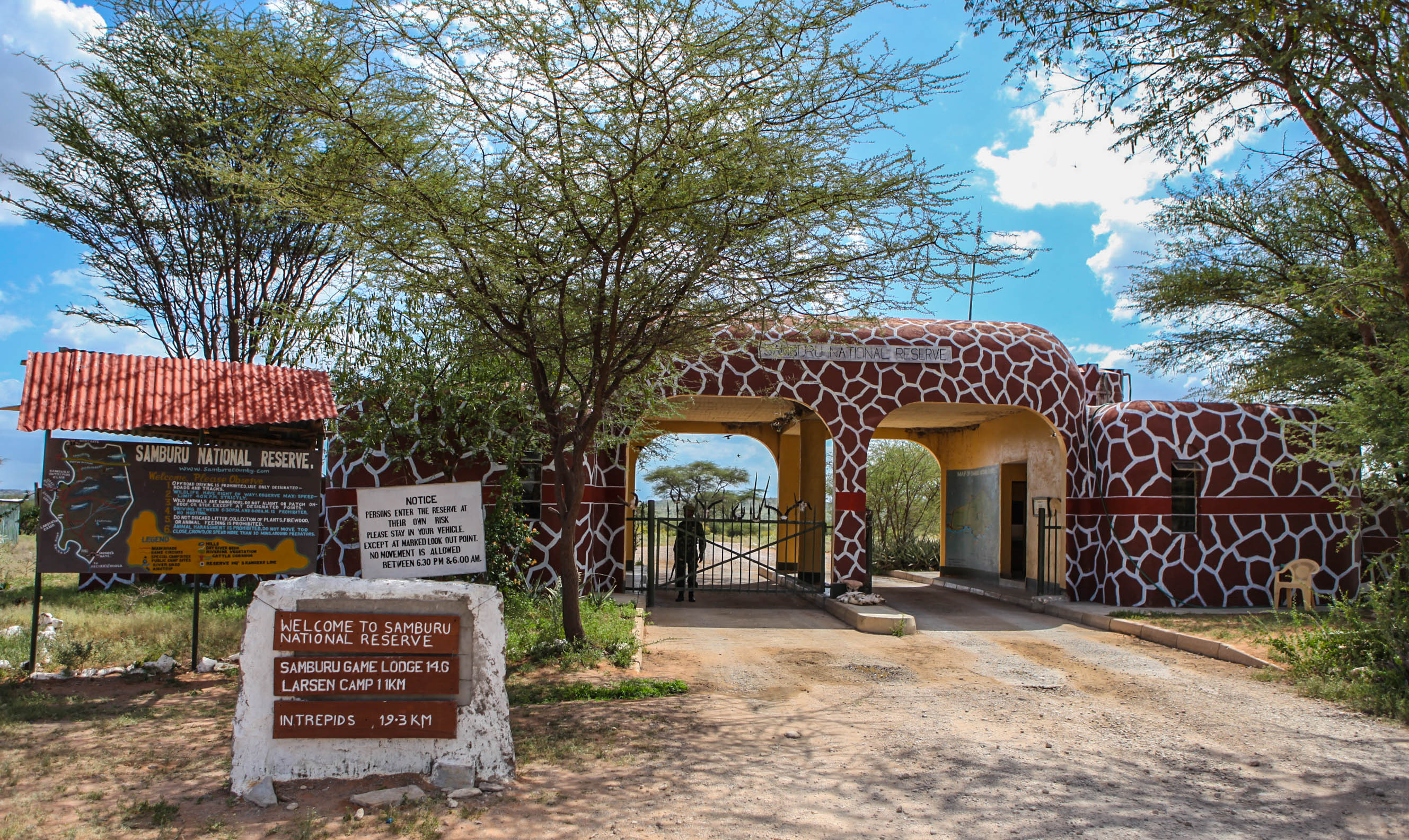
Samburu National Reserve is located in northern Kenya and is known for rare wildlife species not commonly found in other parks. These include the Grevy zebra, reticulated giraffe, and gerenuk. The Ewaso Nyiro River runs through the reserve and attracts wildlife.
Tsavo East National Park
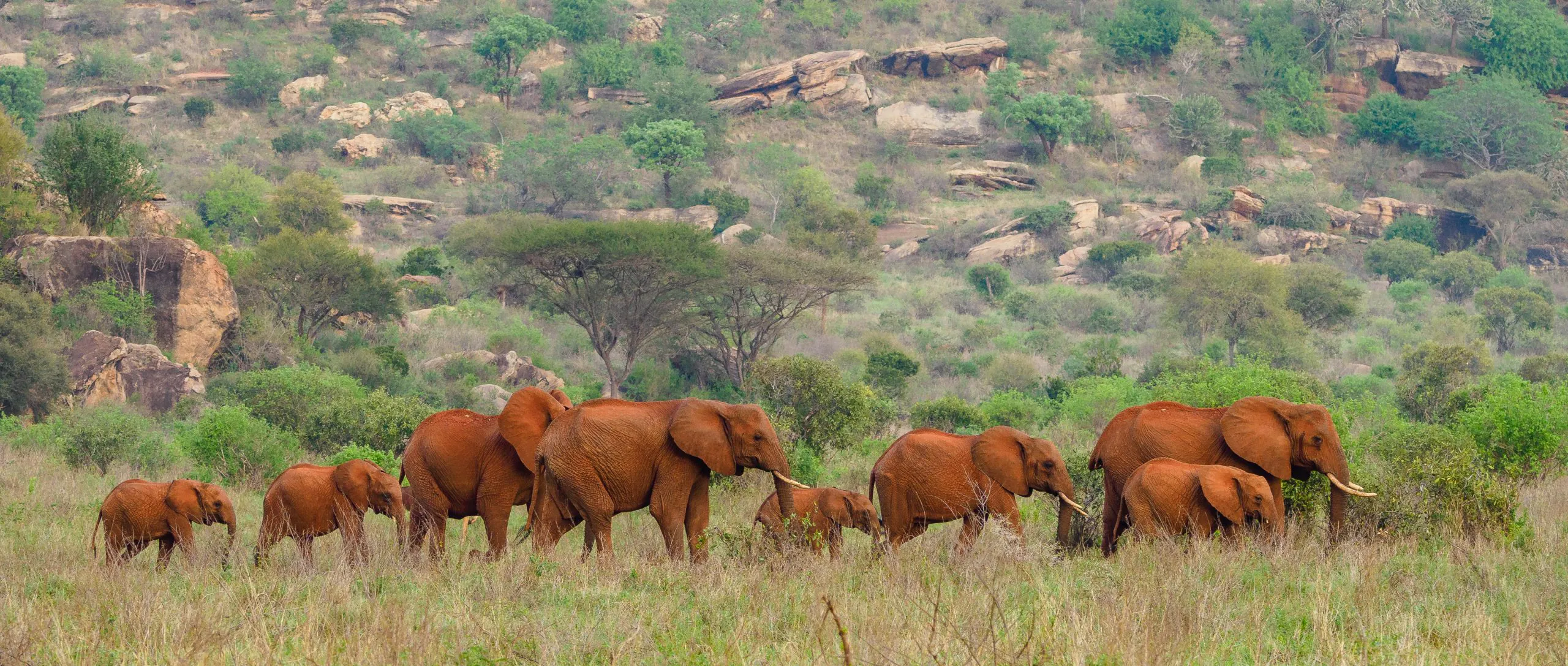
Tsavo East is one of the largest national parks in Kenya, known for its vast open spaces and red dust landscapes. It is home to the famous red elephants, as well as lions, giraffes, and zebras. The Galana River runs through the park, attracting wildlife and offering scenic beauty.
Tsavo West National Park
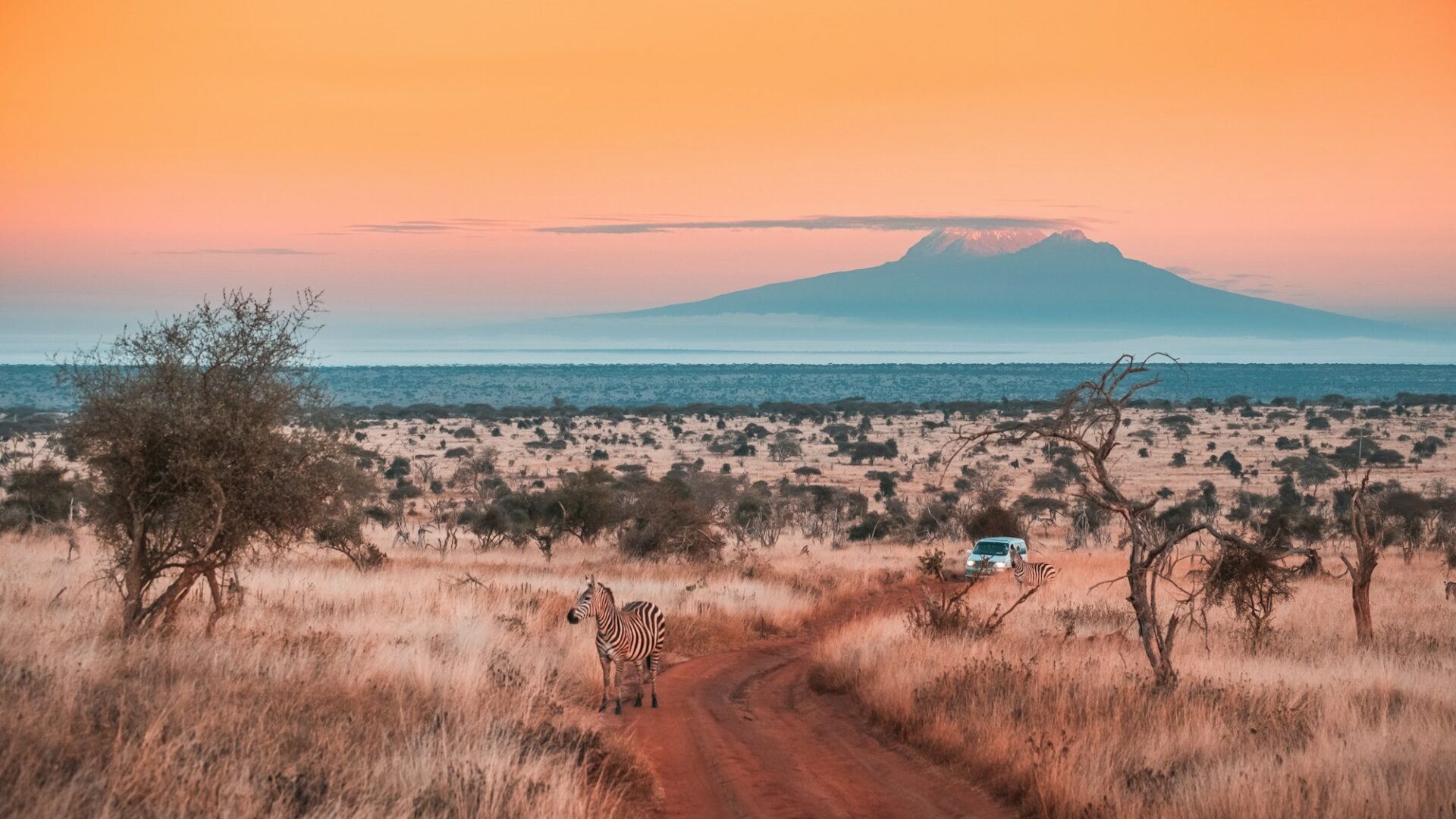
Tsavo West is more mountainous and scenic compared to Tsavo East. It features volcanic hills, lava flows, and natural springs such as Mzima Springs. The park offers a mix of landscapes and is home to elephants, leopards, and hippos.